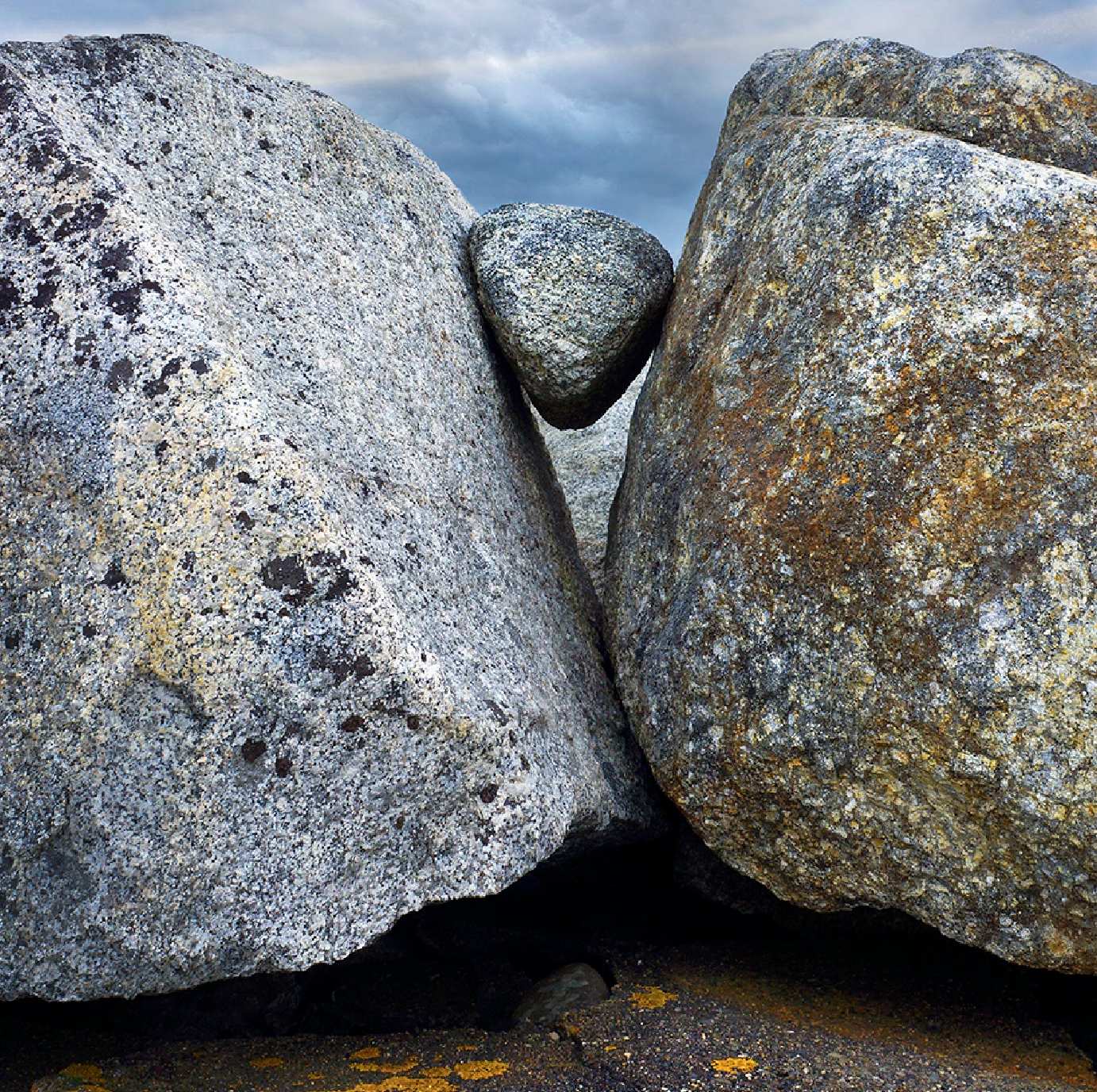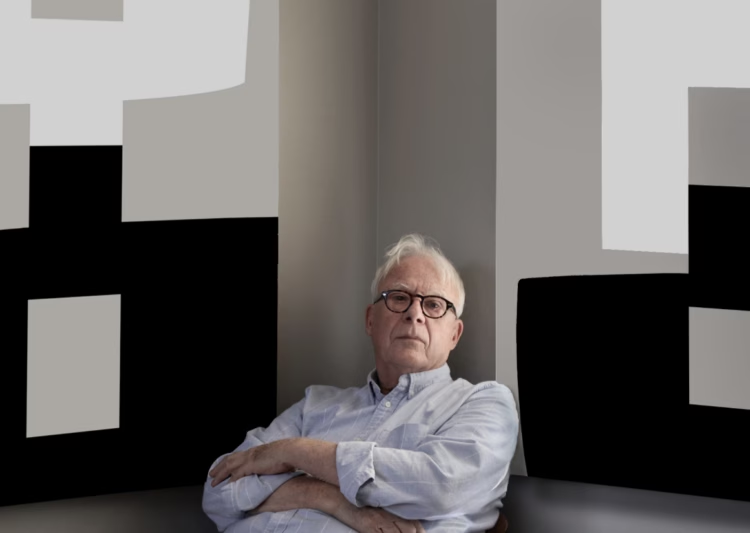
“I like black. It’s a colour that’s made up its mind.”
Bridging the abstract and minimalist, Forbes’ artistic vocabulary leverages a unique visual language in a bold, modern dialogue, often wrestling with contemporary issues that ground his work in the present. Influenced over time by mid-century aesthetics, he embraces its tenets—a selective monochromatic palette, enlarged mass, repetition, and pattern recognition—all contributing to a pared-down formality.
Tim’s practice embodies a rare trajectory in contemporary art: an autodidact artist who early-on shaped Canada’s cultural landscape as a celebrated designer and art director, then carried that discipline, scale, and clarity into a mature fine art practice. His work today—across painting, sculpture, and photography—bears the hallmarks of a lifetime spent refining visual language outside the conventional academy, arriving at an aesthetic both autonomous and resonant.
Forbes’ inventive career has been driven by a belief in art’s communication power and social necessity beyond the distractions of popular culture—a conviction that bridges his design and fine art practice. Acclaimed for campaigns for the performing arts, music, film & television to international communications for Canada’s top tier corporations, and leading law and accounting firms, his studio cultivated a creative rigour that resisted ornament and prized essential structure. These instincts now surface in his fine art as neominimalist vocabularies: bold canvases that balance weight and void, sculptures that hold quiet monumentality, and photo imagery that translates landscape into elemental geometries.
What distinguishes Forbes’ practice is the independence of its evolution. He has never pursued fine art as an echo of design, but as its counterpoint. Where design sought clarity for others, his art seeks resonance for itself. The transition reveals not a change of discipline but a continuous search for form as language—whether through signature black, restrained colour, found material or the Brutalist architecture of nature itself.
Now based on Nova Scotia’s South Shore, Forbes’ international studio practice engages with memory, time, and material with a confidence that comes only after decades of inquiry. His works are not derivative of movements but in re-framed dialogue with them.
Forbes stands as an artist in culmination: a career that has moved from communication to contemplation, from design systems to autonomous exploration. His work resists easy classification while insisting on relevance, positioning him not as a late arrival to fine art but as a mature voice distilled by experience—an artist who proves that autonomy, discipline, and the pursuit of the essential can carry equal weight in both life and art.
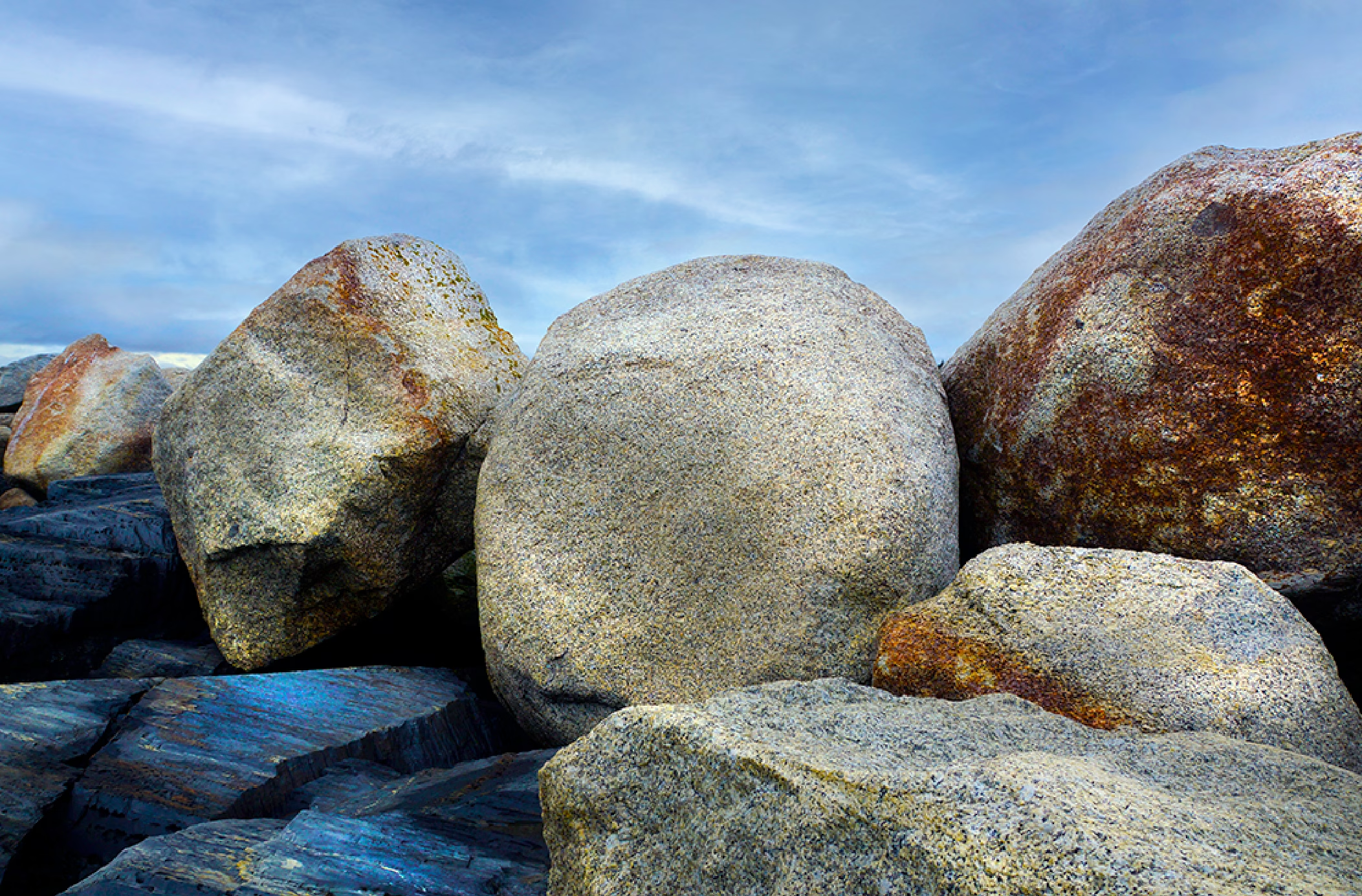
Sentinel ITim Forbes, photo based image, 16"x24" image, 22.5,"x29.75" framed, 2025$1,650
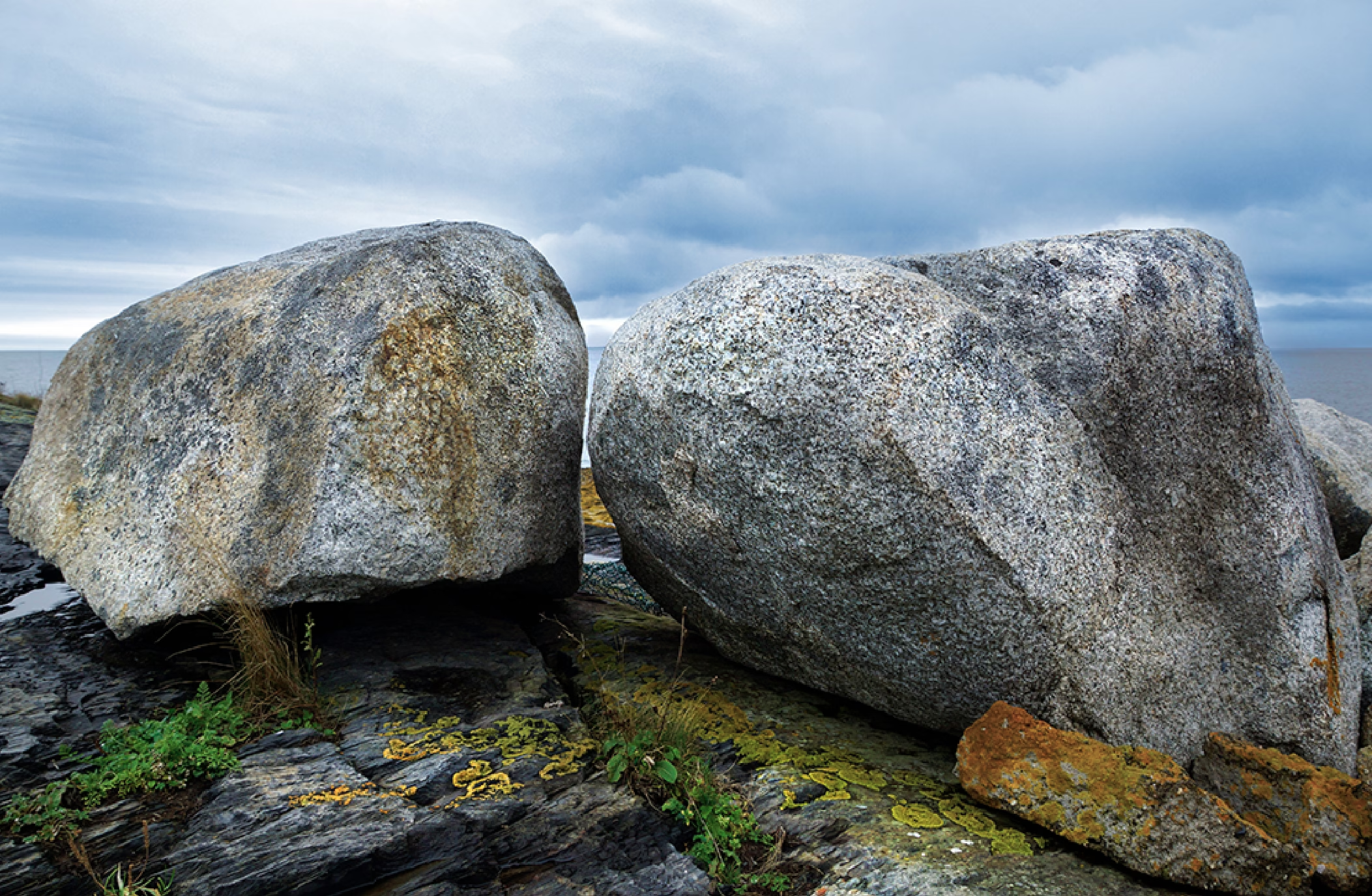
Sentinel IITim Forbes, photo based image, 16"x24" image, 22.25" x29.75 framed, 2025$1,650
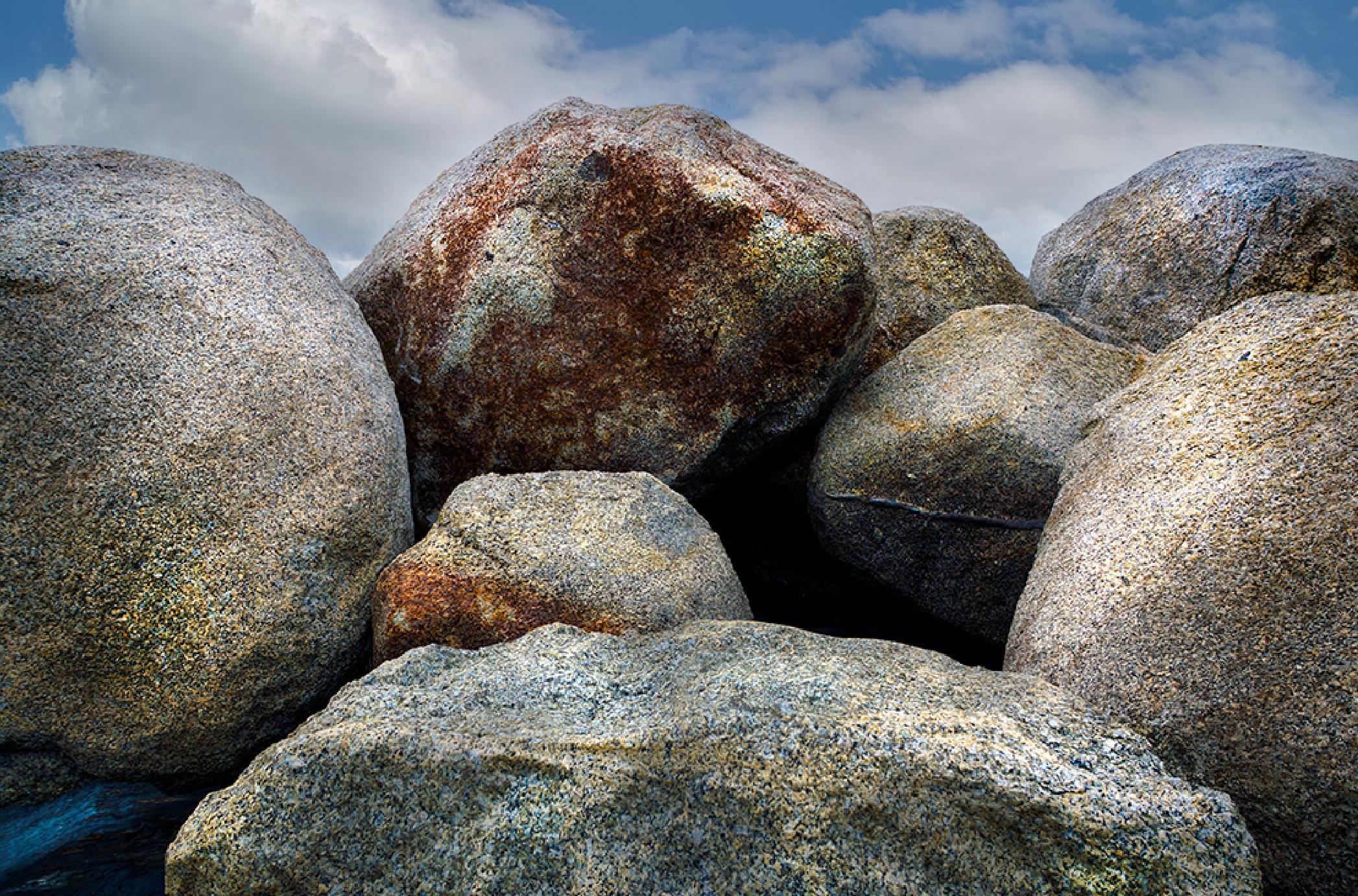
Sentinel IIITim Forbes, photo based image, 16"x24" image, 22.25" x29.75 framed, 2025$1,650
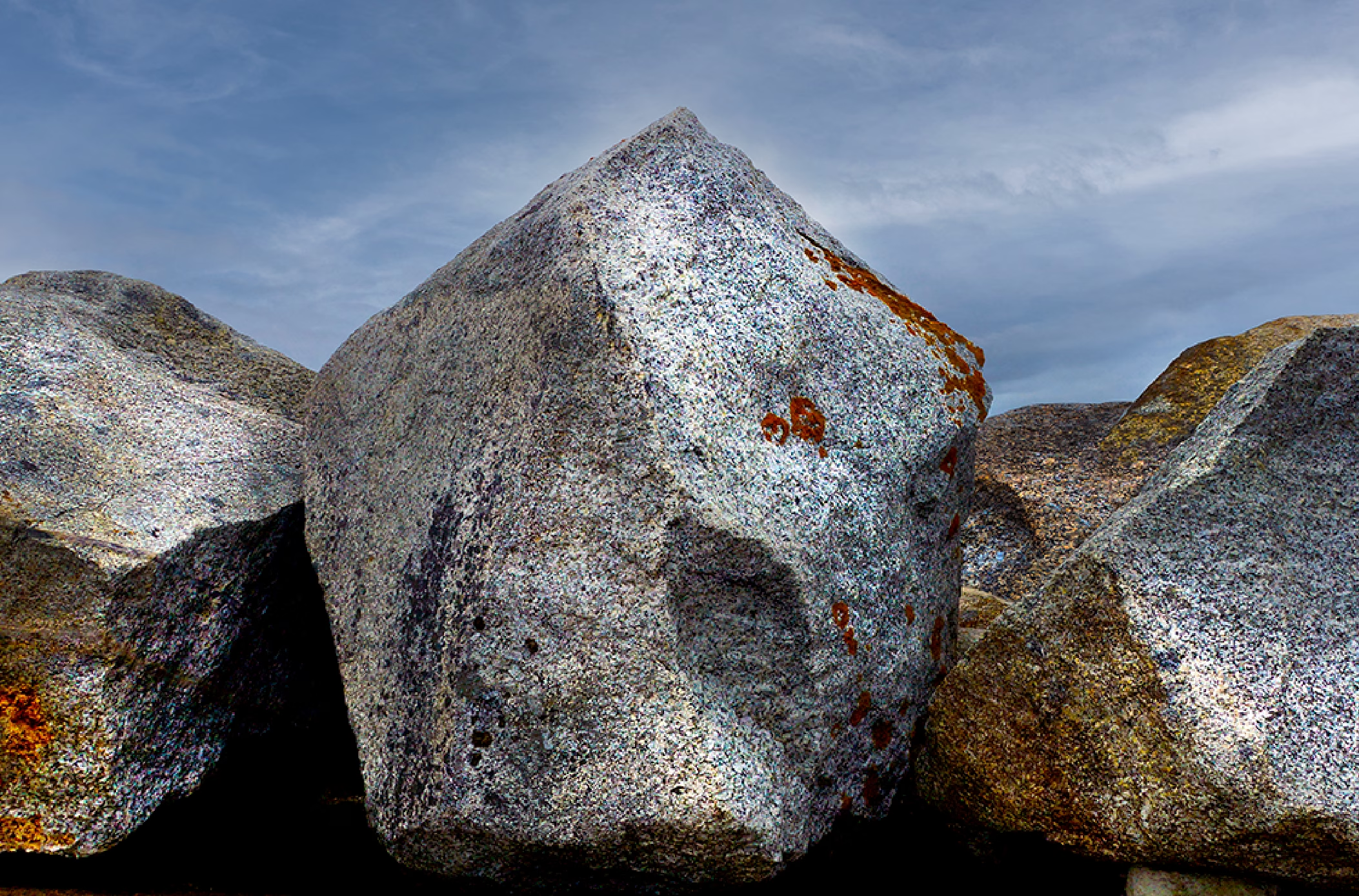
Sentinel IVTim Forbes, photo based image, 16"x24" image, 22.25" x29.75" framed, 2025$1,650
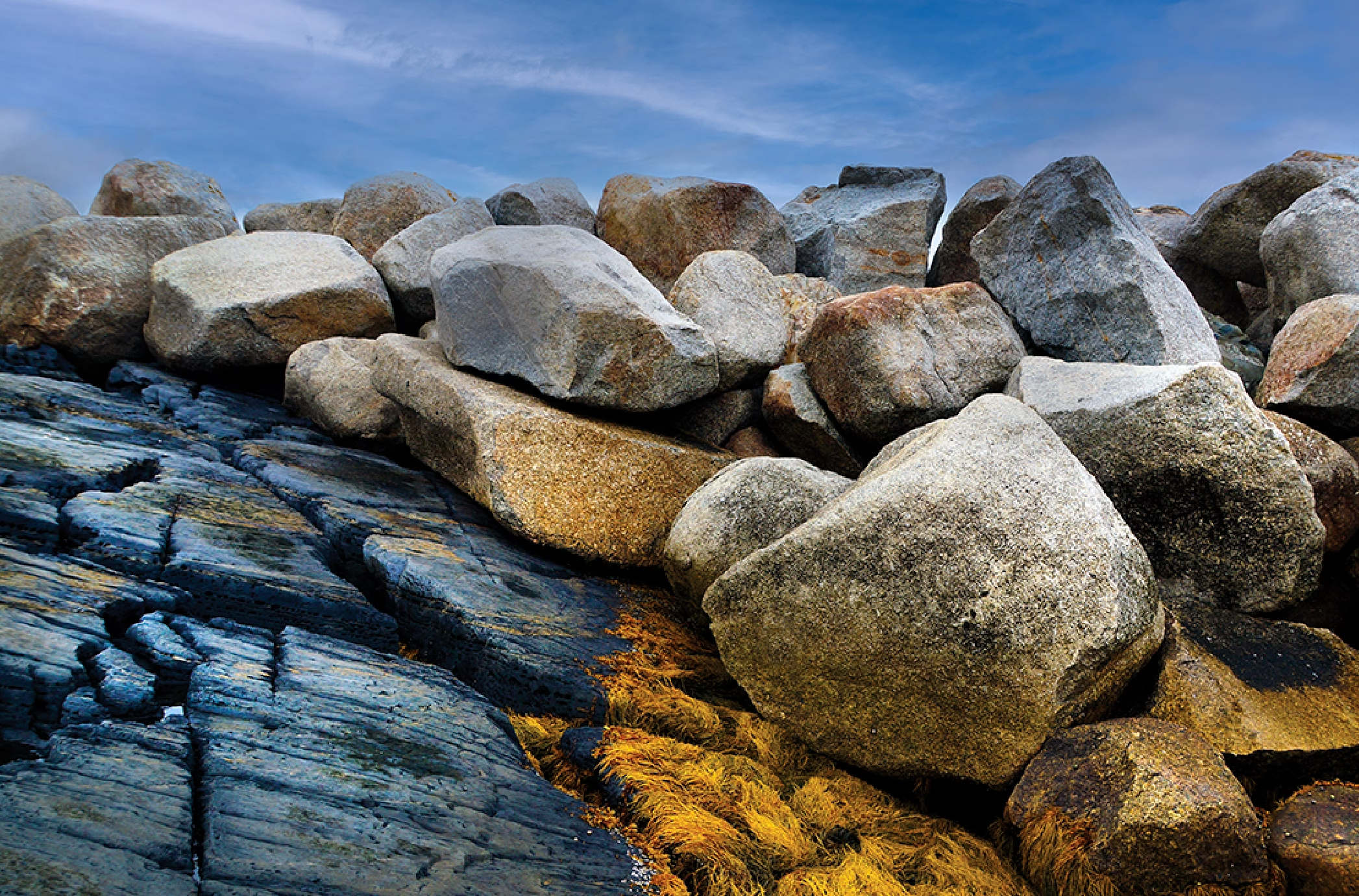
Sentinel VTim Forbes, photo based image, 16"x24" image, 22.25"x29.75" framed, 2025$1,650
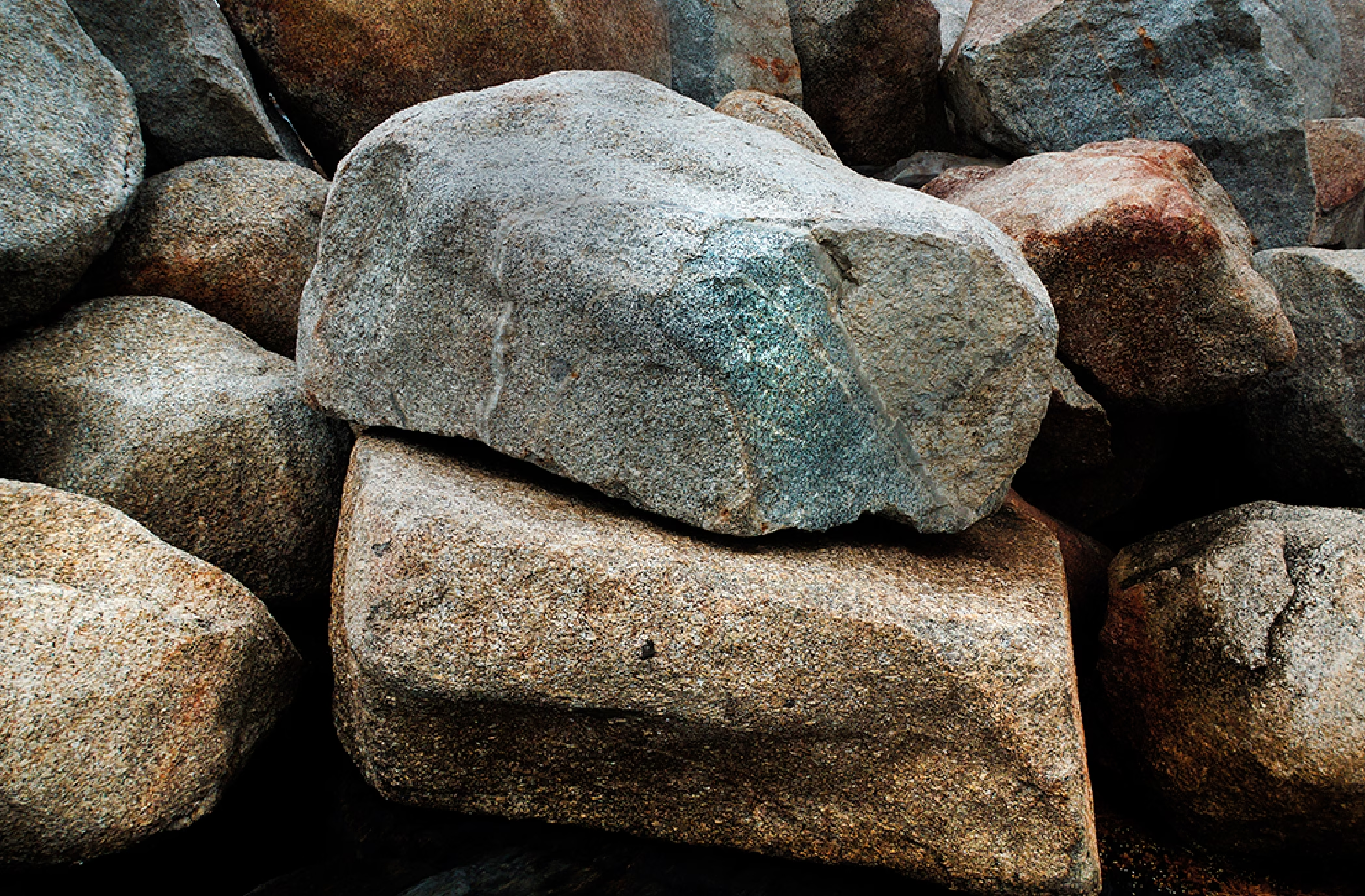
Sentinel VITim Forbes, photo based image, 16"x24" image, 22.25" x29.75 framed, 2025$1,650
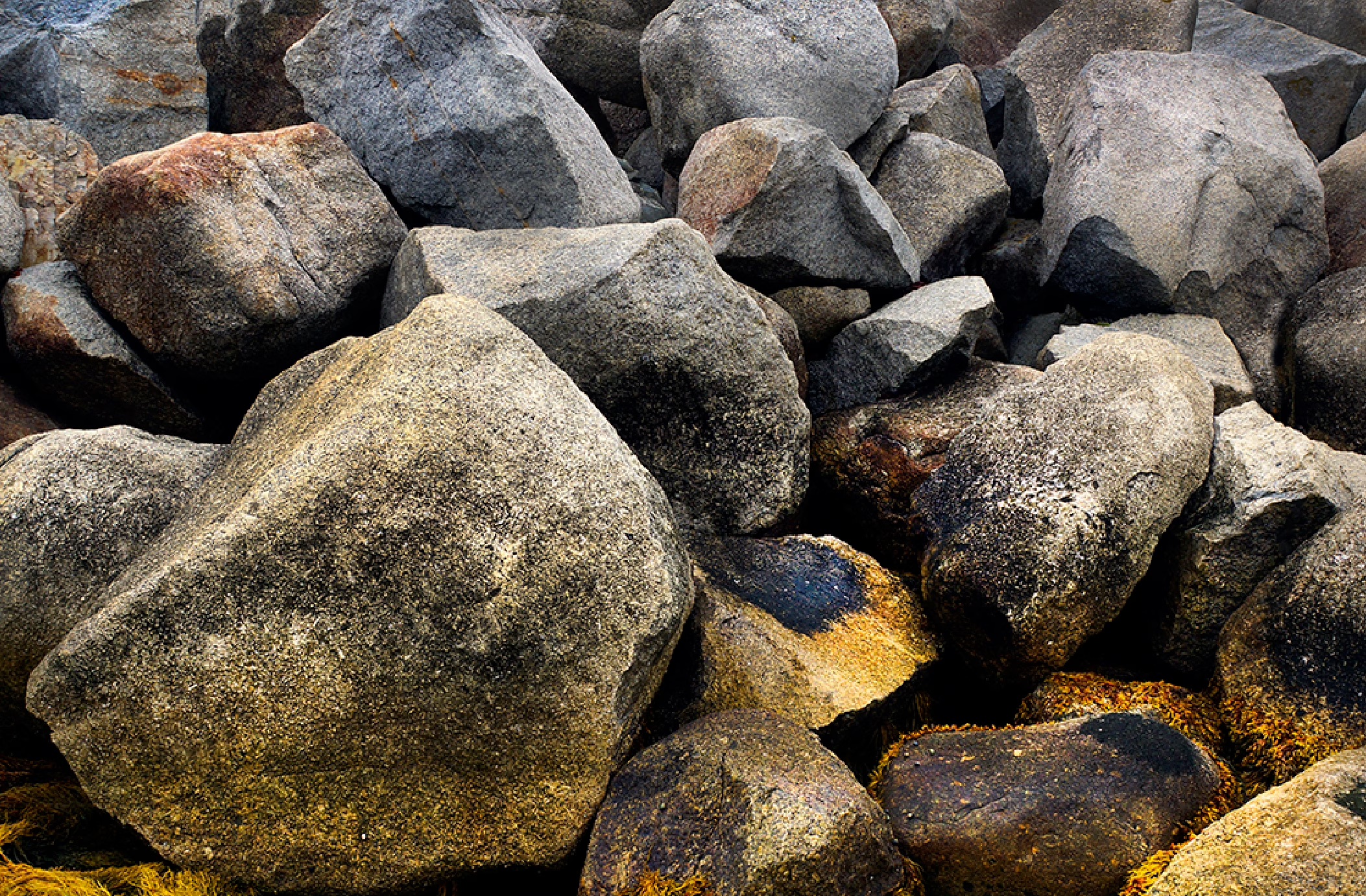
Sentinel VIITim Forbes, photo based image, 16"x24" image, 22.25" x29.75" framed, 2025$1,650
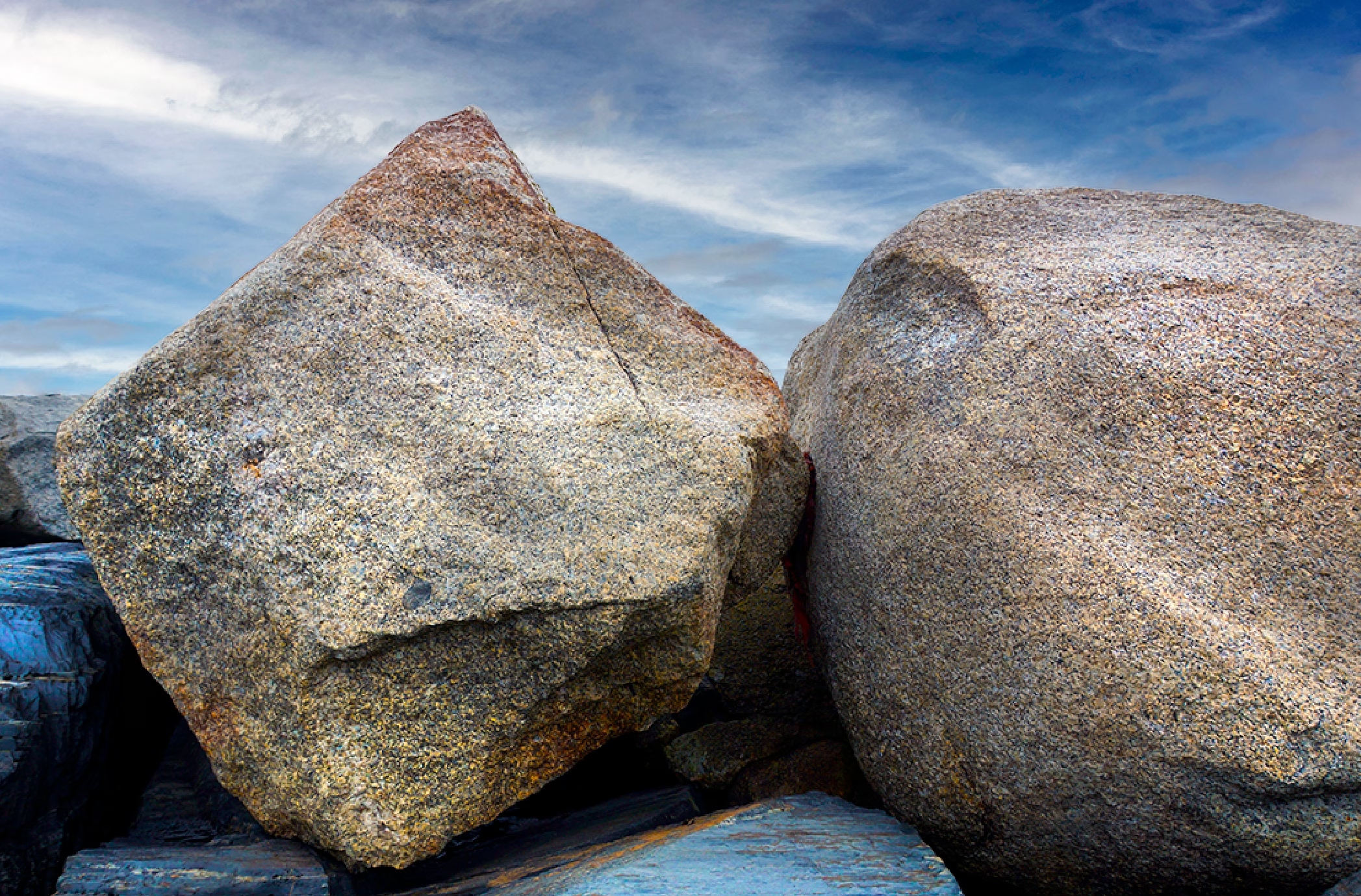
Sentinel VIIITim Forbes, photo based image, 16"x24" image, 22.25"x29.75" framed, 2025$1,650
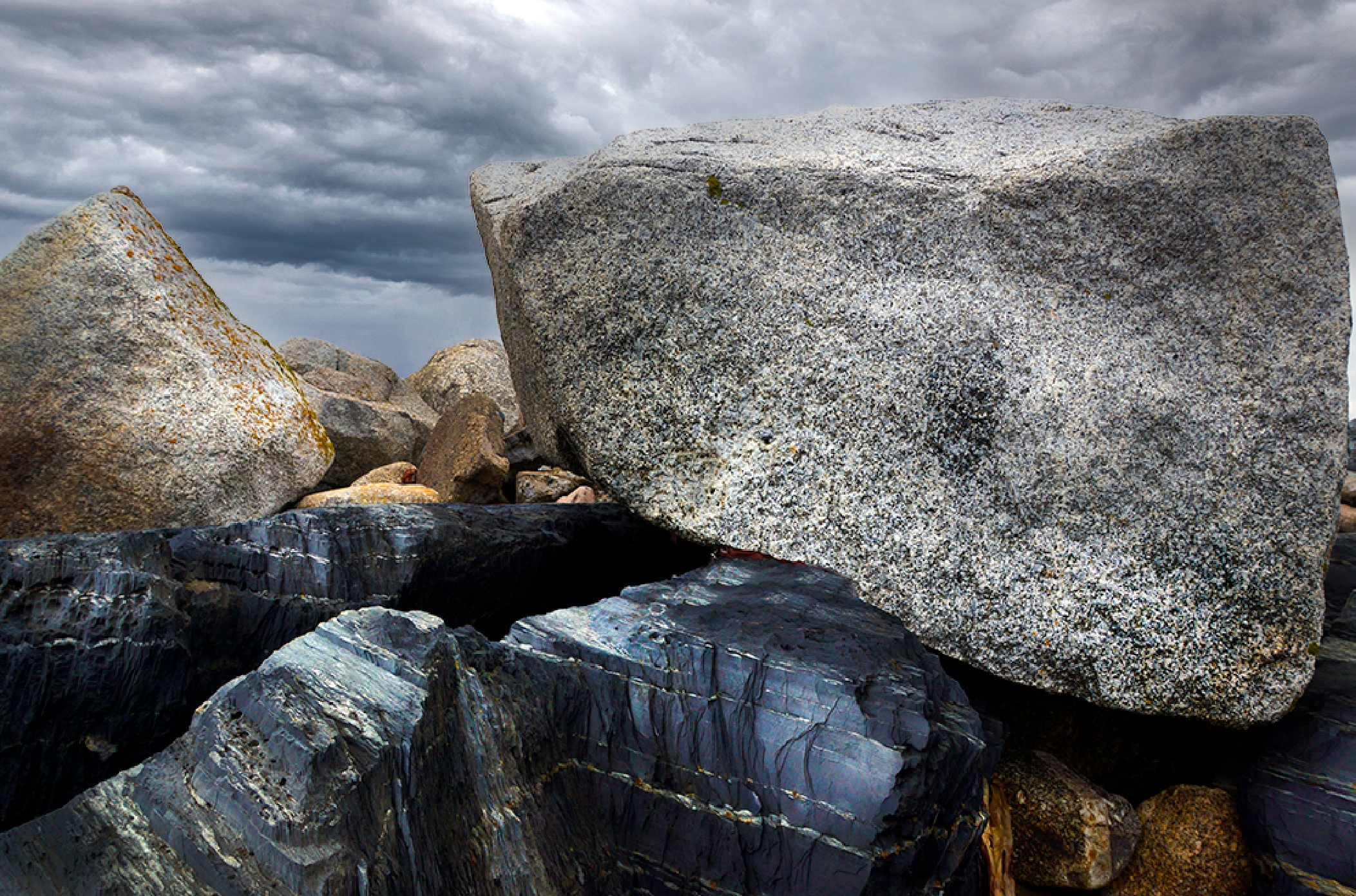
Sentinel IXTim Forbes, photo based image, 16"x24" image, 22.25" x29.75" framed, 2025$1,650
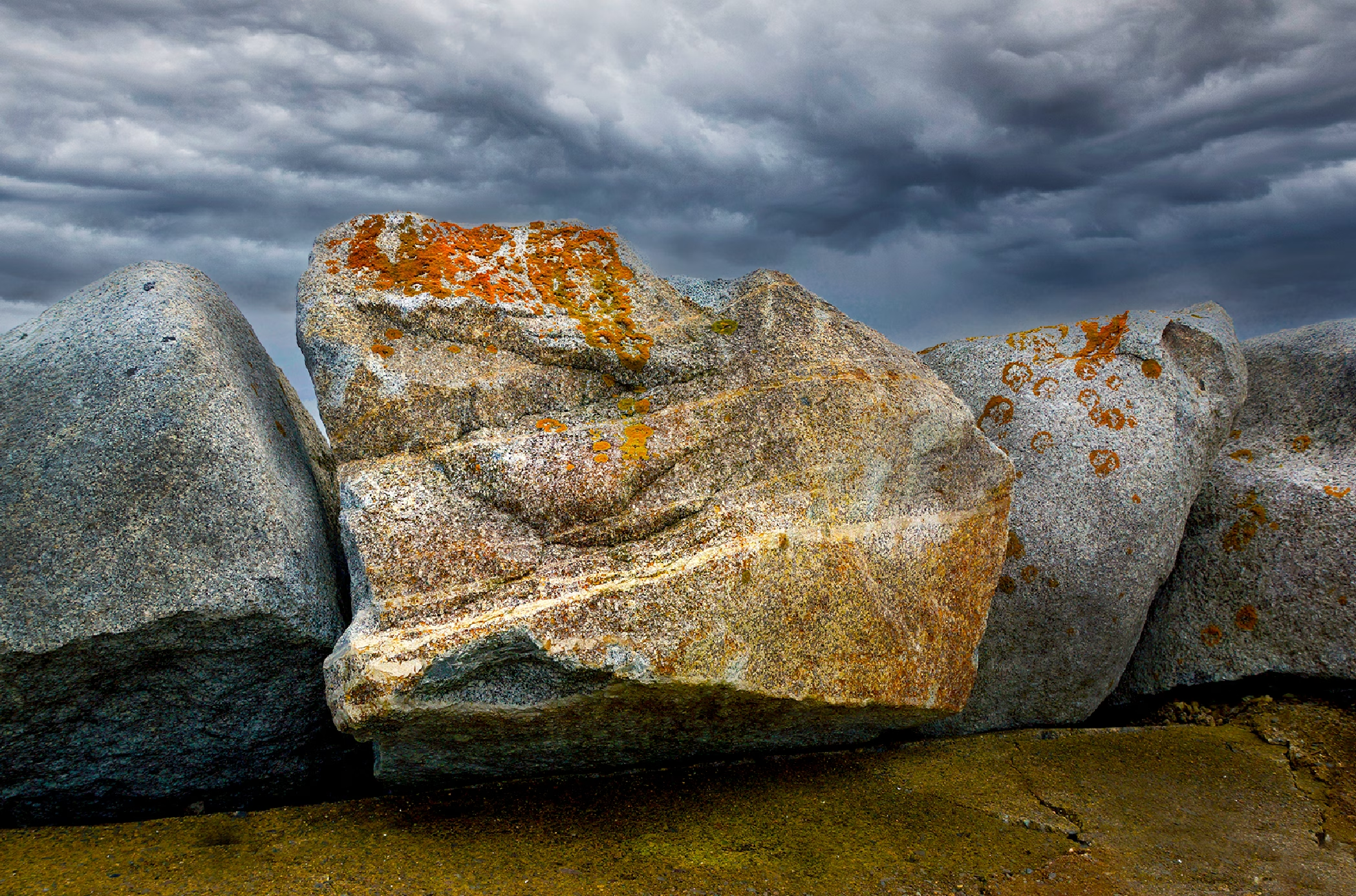
Sentinel XTim Forbes, photo based image, 16"x24" image, 22.25"x29.75" framed, 2025$1,650
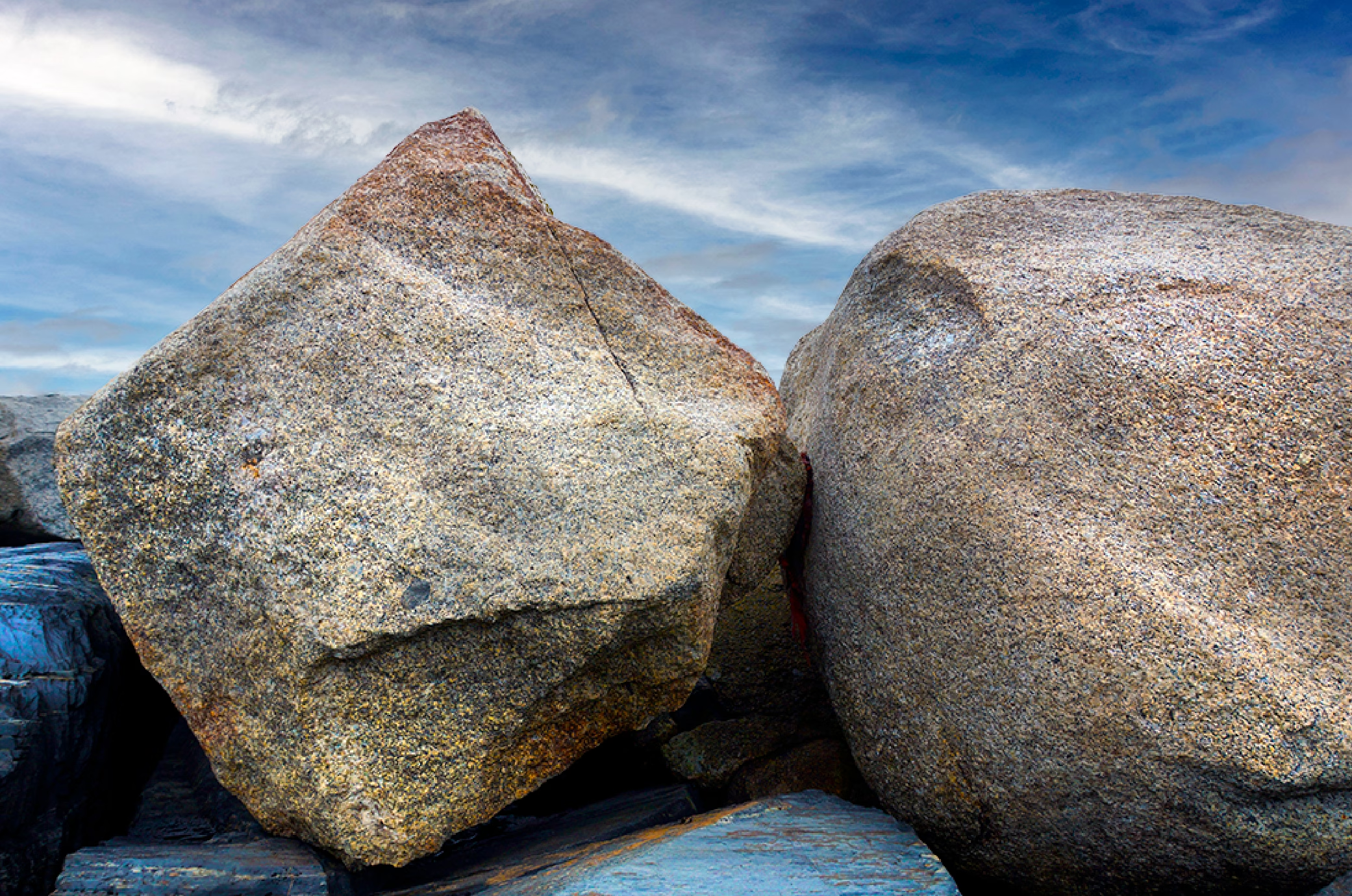
Sentinel XIIITim Forbes, photo based image, 24"x36" image, 30.75"x42.25" framed, 2025$3,450